From the Watsynq team.
Technical writing on bearing defect physics, acoustic emission, lube-oil particle trending, RUL methodology, and CMMS workflow — written by reliability practitioners for reliability engineers.
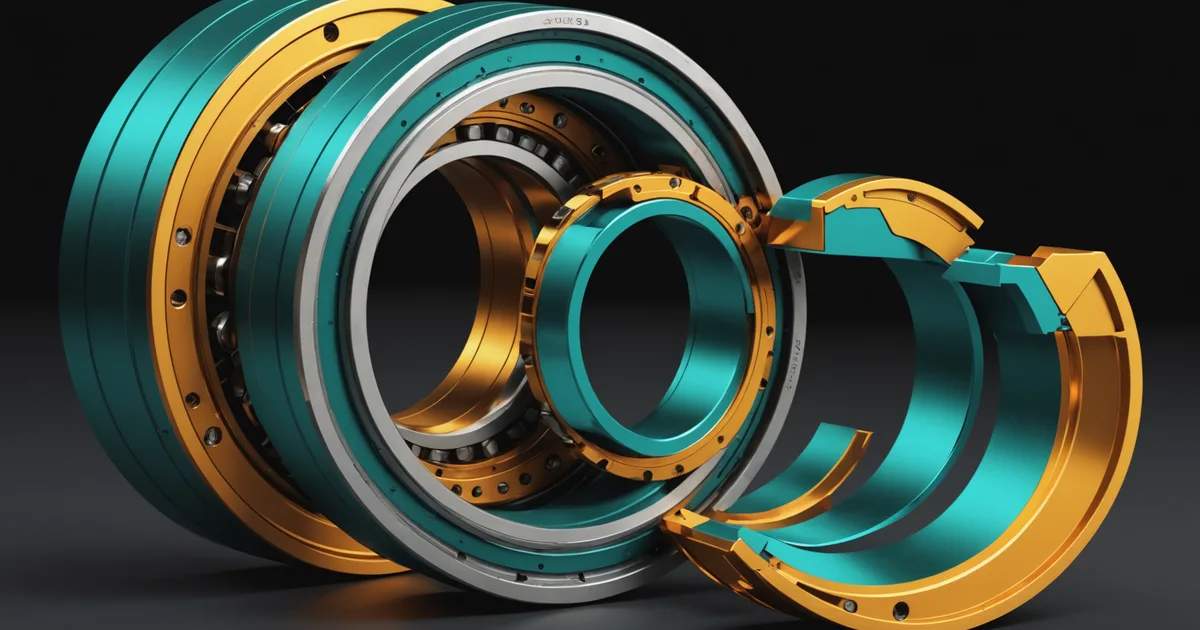
Why Vibration Alone Misses the Full Bearing Story
Single-axis vibration trending catches less than 60% of incipient bearing defects. Here is what happens when you add acoustic emission and lube-oil particle counts to the picture.
8 min read
An Acoustic Emission Primer for Reliability Engineers
AE sensors listen at MHz frequencies — far above the bearing defect frequencies that standard route-based vibration tools use. This guide explains what they capture and why it matters earlier in the defect progression.
10 min read
What Lube-Oil Particle Counts Tell You That Vibration Cannot
ISO cleanliness codes give a snapshot; trending particle size distribution over days gives a trajectory. We explain how online oil monitoring integrates with vibration and thermal data.
9 min read
Remaining Useful Life: What the Number Means and How to Trust It
A single RUL score needs a confidence interval, a sensor-quality flag, and a clear methodology behind it. We explain the physics-informed model that powers Watsynq's output.
11 min read
Closing the Loop: Integrating Predictive Alerts Into Your CMMS Workflow
A predictive alert that sits in a dashboard nobody checks is worthless. We walk through how work-order auto-generation in Maximo, SAP PM, and Infor EAM eliminates the handoff gap.
7 min read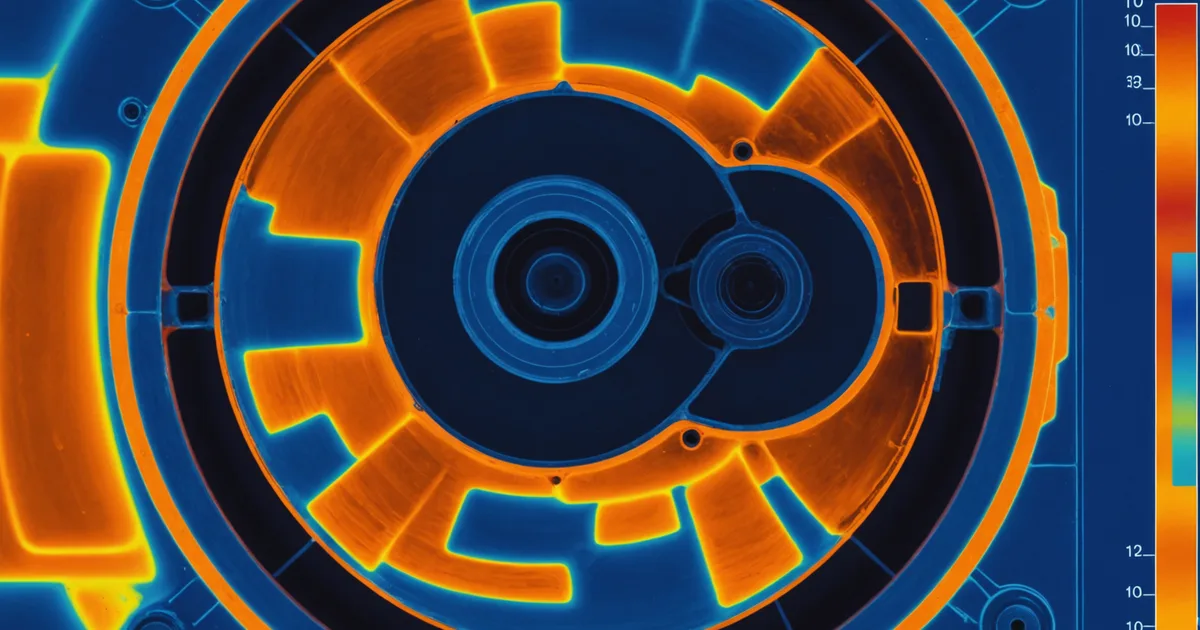
Thermal Drift Patterns That Indicate Impending Rotating Equipment Faults
Temperature alone is a lagging indicator. Rate-of-change of thermal asymmetry across bearing housing surfaces is leading. This post maps common thermal signatures to their mechanical root causes.
10 min read
A Reliability Engineer's Real Workday vs. What PdM Tools Assume
Most predictive maintenance platforms are designed for data scientists. We interviewed six reliability engineers at heavy plants about how they actually triage alerts and what they need from software.
12 min read
The Hidden Cost of High False-Alarm Rates in Predictive Maintenance
When maintenance crews learn to ignore alerts, the whole programme collapses. We quantify the relationship between false-alarm rate and crew response compliance, and how multi-sensor fusion reduces it.
8 min read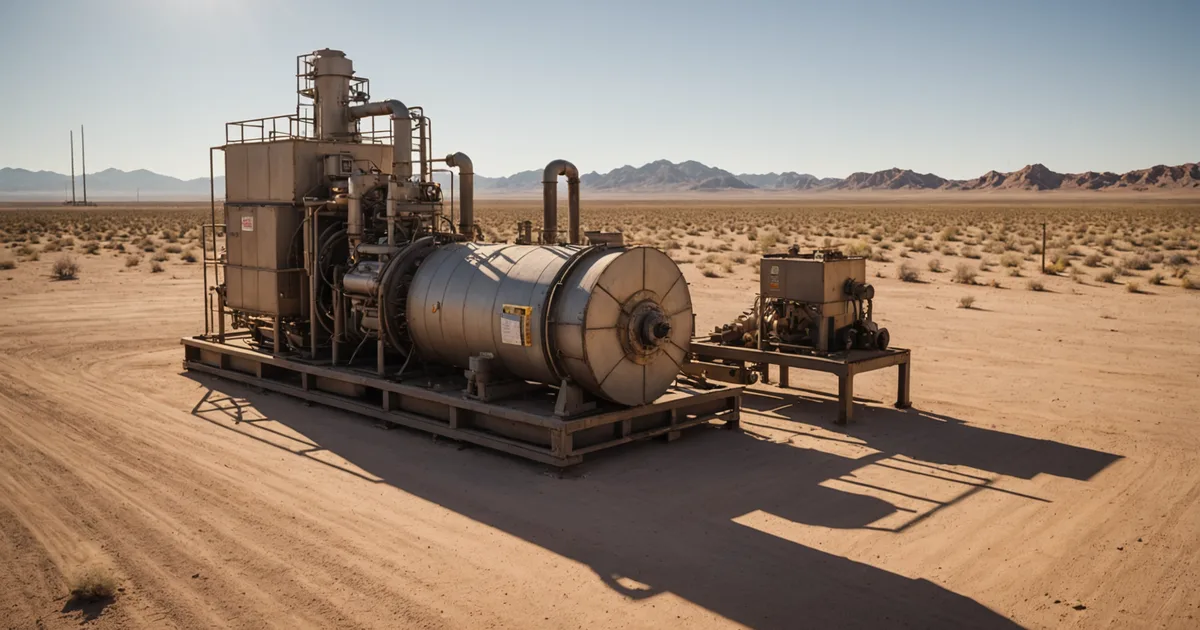
Desert Heat and Motor Reliability: Lessons from Arizona Industrial Sites
Ambient temperatures above 45°C compress the thermal headroom for motor windings and bearing grease viscosity. We document the failure patterns we observe in Phoenix-area heavy industry and how to compensate.
9 min read
Using RUL Scores to Plan Maintenance Shutdowns Instead of Reacting to Them
A six-week forecast window changes the planning conversation from reactive scramble to scheduled resource allocation. Here is how reliability managers are using Watsynq's RUL output in their 90-day outage planning.
10 min read
Multi-Sensor Fusion Architecture for Industrial IoT: Design Choices That Matter
Fusing acoustic, oil, and thermal streams requires deliberate choices about sampling rates, data alignment timestamps, and failure-mode weighting. We open up our architecture and explain the tradeoffs.
14 min read
The Six-Week Detection Window: How We Measure and Validate Early Warning Lead Time
We claim a six-week lead time over conventional vibration analysis. This post explains how we defined, measured, and validated that claim across 40+ equipment failures in our pilot dataset.
11 min read